A cataract is a clouding of the eye’s natural lens. The lens normally helps focus light so that images look clear. When its transparency changes, vision can become hazy, colours may seem less vivid, and everyday tasks may take more effort. Cataracts commonly develop gradually, but the pace and effect are different for every person. A page on the internet cannot determine whether a cataract is present or whether surgery is appropriate; that decision follows an eye examination and a conversation about how vision affects daily life.
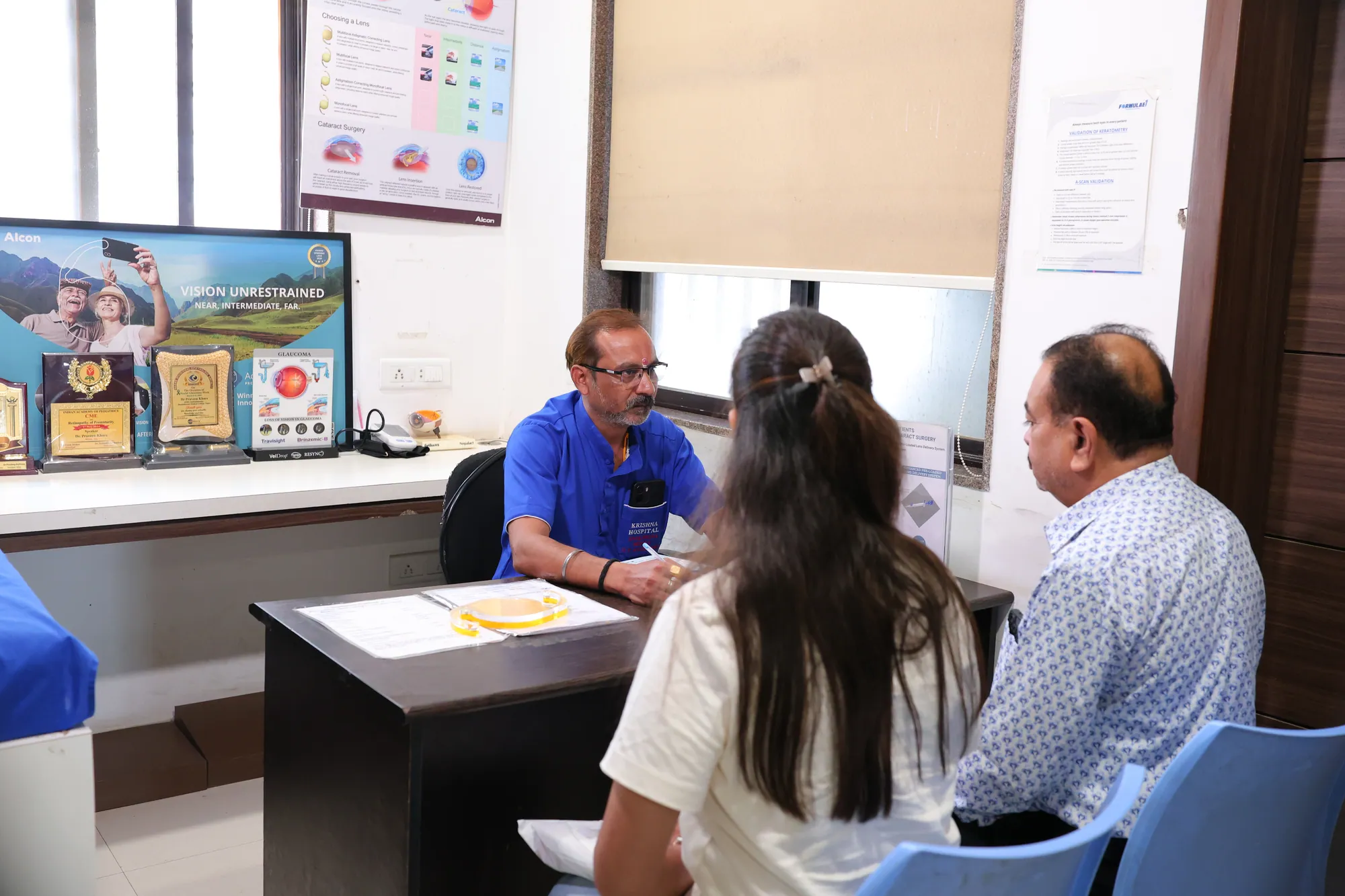
At Krishna Hospital in Sagar, the purpose of a cataract consultation is to understand the concern, assess the eye and explain reasonable next steps. The discussion may include observation, updated glasses where useful, additional tests, or a surgical discussion when the cataract meaningfully limits activities. There is no single lens that is best for everybody. Eye measurements, other eye conditions, work and reading habits, and the clinician’s findings all matter when comparing lens options.
Understanding cataracts in everyday language
The natural lens sits behind the coloured part of the eye and helps bring images into focus. A cataract is not a removable layer sitting on the front of the eye. It is a change within the lens itself. A person may first notice glare, a washed-out appearance, or difficulty reading signs, and may later find that familiar activities such as reading, recognising faces, driving, or working under bright light are harder. Some people notice a gradual change in spectacle power. Others mainly notice glare or reduced contrast.
Age is one common association, but the treating specialist will also ask about previous eye problems, injury, medicines, diabetes and other health history. These details do not prove a cause by themselves. Cataract can affect one or both eyes, and each eye can be at a different stage. A relative’s experience is not a reliable guide to your own timing or lens selection. The examination identifies what is happening now and helps the clinician discuss whether the change explains your symptoms.
Changes that can lead to a cataract assessment
Possible changes include blurred or cloudy sight, glare around lights, difficulty seeing in dim conditions, colours appearing less bright, or needing stronger light to read. These symptoms can also have other causes, including a glasses prescription change, corneal problems, retinal disease or glaucoma. That is why an online checklist should not be used as a diagnosis. If vision has changed, an eye examination can separate a lens concern from other causes and identify when further tests are needed.
Bring up the practical effect, not just a number on a chart. Tell the clinician which activities have changed, whether one eye seems different, when you first noticed the change, and whether the problem fluctuates. Mention glare, falls or difficulty performing work only if these are actually happening. Sudden loss of vision, a painful red eye, flashes with a shower of new floaters, a dark curtain in the field of view, or a recent eye injury needs prompt medical attention rather than a routine cataract appointment.
What may happen during an eye assessment
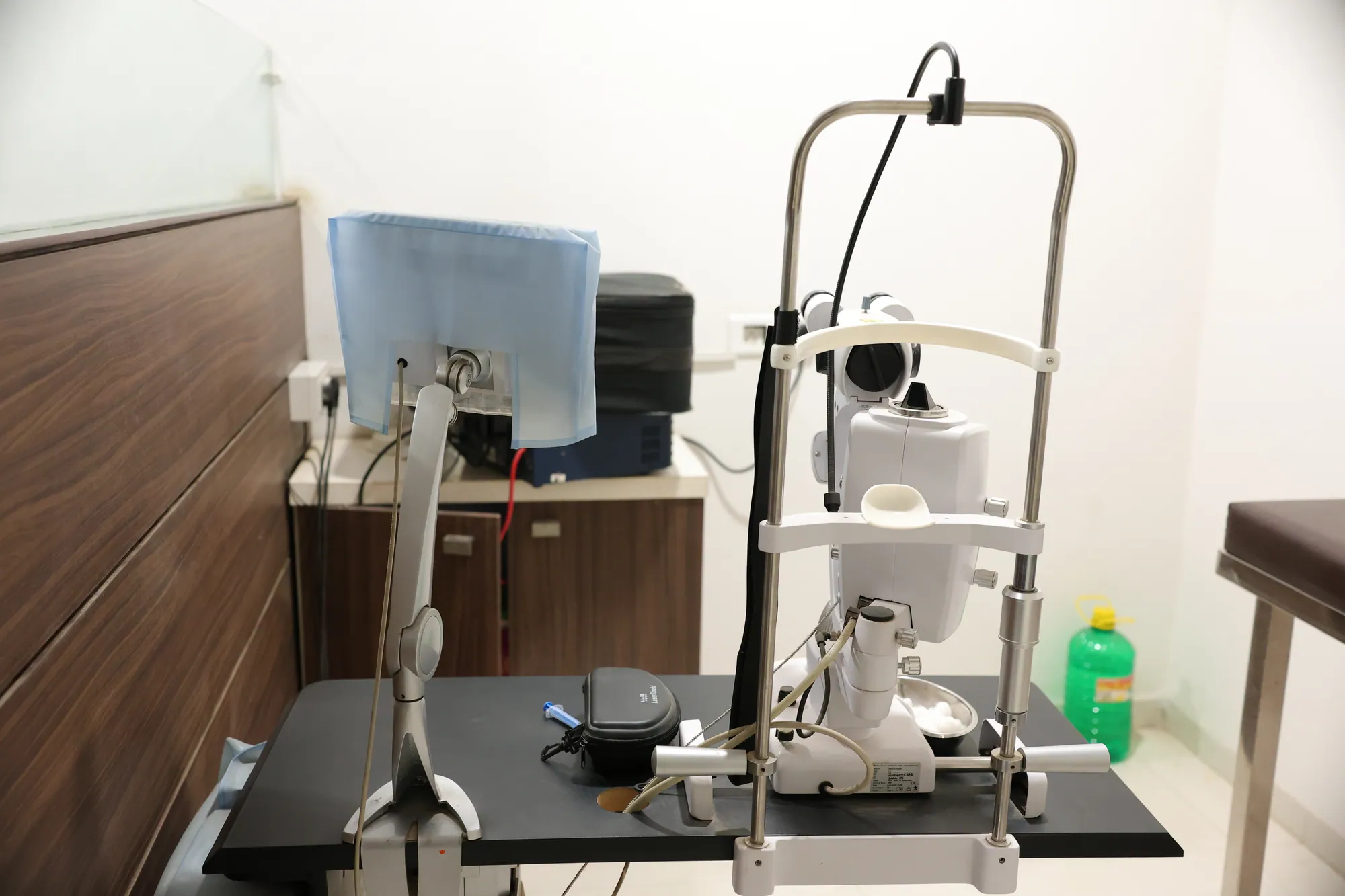
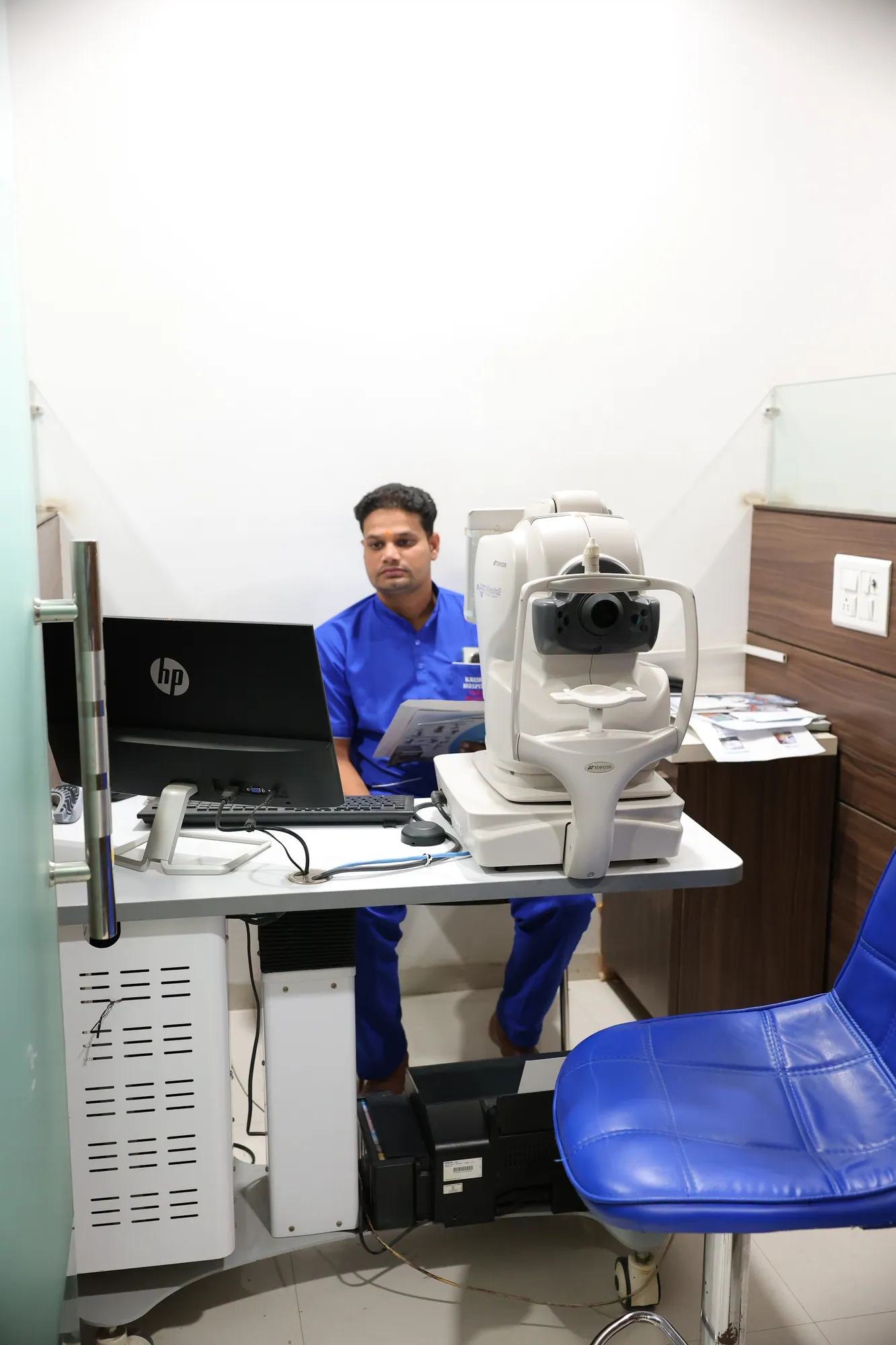
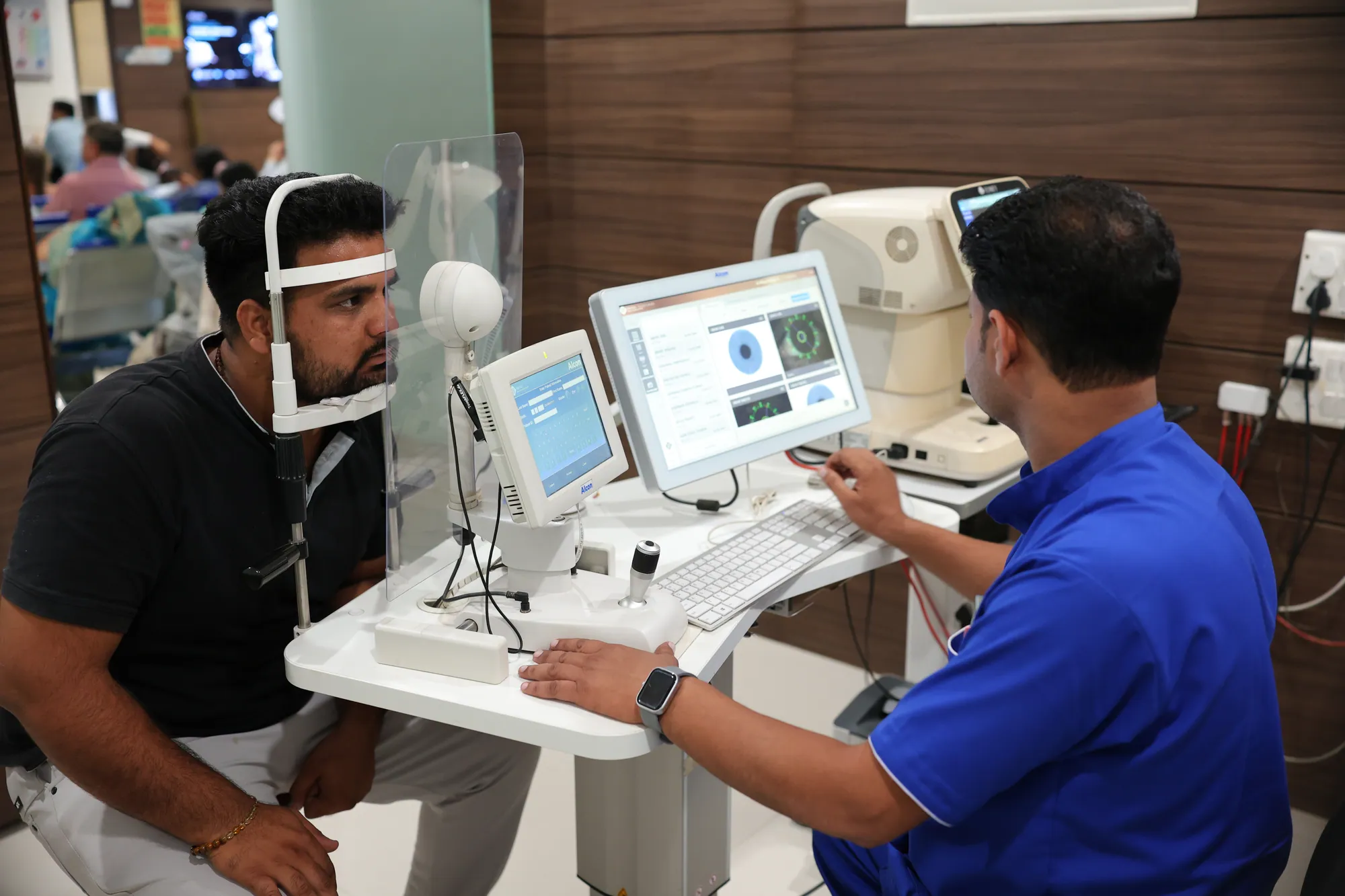
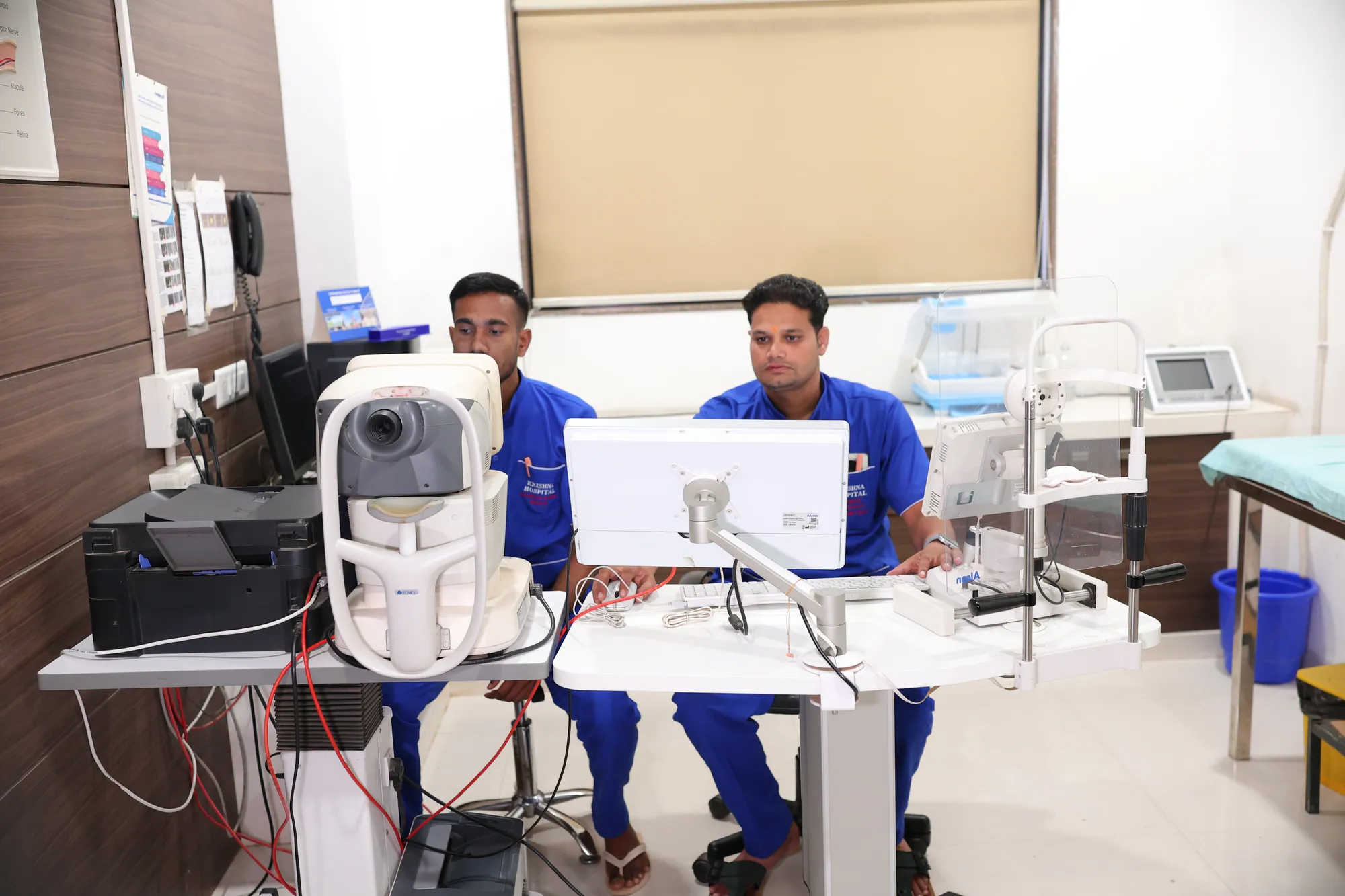
The visit starts with your story: symptoms, previous prescriptions, medicines, general health and the tasks that matter to you. The clinician may check visual acuity, assess the glasses prescription, examine the front of the eye and inspect the lens with magnification. Depending on the findings, eye pressure measurement, pupil dilation, a retinal examination, optical measurements or imaging may be considered. The exact combination is chosen by the treating clinician; not every patient needs every test.
Before a lens procedure is considered, measurements are used to plan the intraocular lens (IOL) power and discuss the likely range of vision. A measurement is one part of planning, not a guarantee of spectacle independence. Other eye conditions, healing, the accuracy of measurements and individual visual needs influence the result. If the view to the back of the eye is limited, the clinician will explain whether additional assessment is needed. Ask what each proposed test is intended to answer, how to prepare, and when the result will be discussed.
Observation, glasses and surgery discussions
Not every cataract needs an operation as soon as it is identified. If a person can manage important tasks comfortably and the examination supports it, the clinician may discuss observation and a review plan. Better lighting or an updated prescription can help some people for a period, but these steps do not remove a cataract. If vision is interfering with daily life, or the cataract prevents a needed examination or treatment of another eye problem, the specialist may discuss surgery. The timing is a shared decision after the benefits, limits, alternatives and risks are explained.
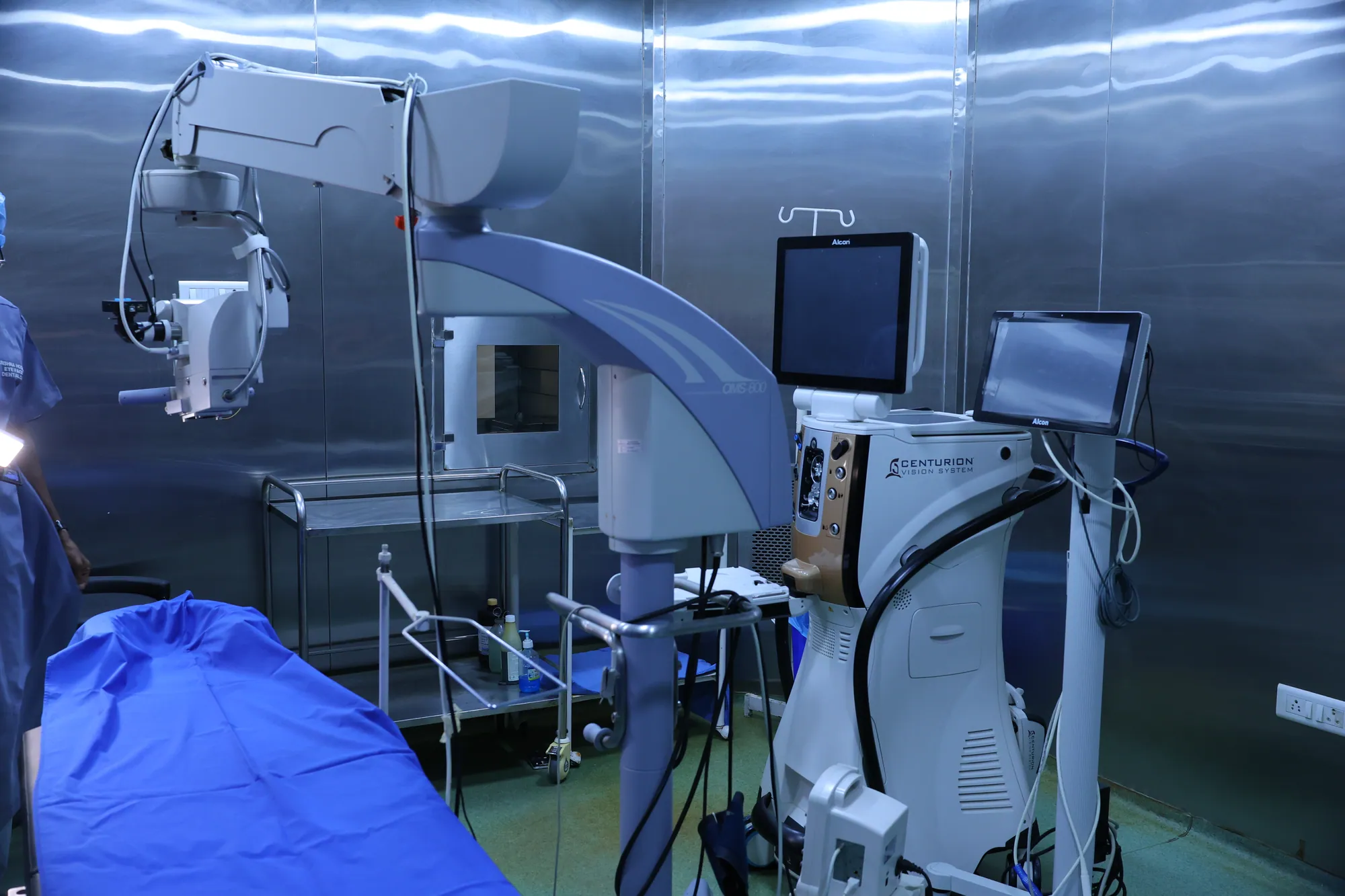
Cataract surgery generally involves removing the cloudy natural lens and placing an artificial intraocular lens, but the technique and plan depend on the eye and surgeon’s assessment. Lens categories can include monofocal, toric and multifocal designs. They differ in how they address focusing needs and astigmatism; they do not produce identical vision for every patient. A premium-sounding label does not mean a lens is automatically suitable. Ask what distance it is intended to prioritise, what glasses may still be needed, and whether another eye condition affects the choice.
Choosing a lens without pressure
Lens selection is a clinical and personal conversation. The clinician considers corneal measurements, the shape and health of the eye, the retina and optic nerve, previous operations, lifestyle and the visual goal you describe. A person who values dependable distance vision may ask different questions from someone whose work involves extended near tasks. Some lens designs may involve trade-offs in glare, halos, contrast or dependence on glasses. These trade-offs should be described for the individual case rather than presented as a guaranteed benefit.
Lens models and categories are not interchangeable, and a label alone cannot determine which option is right for you. The ophthalmologist can explain which choices suit your examination findings and visual needs, what each option is designed to do, and what glasses may still be needed. Ask questions and take time to understand the choices before making a decision.
When another eye condition is also present
Cataracts may be present alongside other conditions that also affect vision. Changes in the retina, optic nerve, cornea or eye pressure can cause overlapping symptoms. The specialist considers the whole eye rather than assuming every change is caused by the lens. Depending on the examination, an additional test or a later review may be useful. The clinician can explain what was assessed at this visit, what remains uncertain and whether another evaluation is recommended.
Tell the team about diabetes, previous retinal care, glaucoma, eye injury, laser or surgery, and medicines or drops you use. These details help interpret findings but do not by themselves determine whether a procedure is suitable. If a cloudy lens limits the view of the retina, ask how that affects the assessment and what follow-up might clarify it. Care recommendations depend on the findings in your own eyes.
Making a clear plan after your consultation
A helpful consultation links the test results to your routine: reading, screen work, recognising faces, cooking, stairs, night travel or another activity that matters to you. Before arriving, note when changes began, whether one eye seems different and which settings make the problem more noticeable. These specific examples help the clinician understand the practical impact of vision changes; they do not replace measurements or examination.
At the end, ask what the examination found, whether a review date is recommended, which symptoms should prompt earlier contact, and whom to call if your vision changes. If a procedure is discussed, ask what benefit is expected for your eye, which uncertainties remain, what choices are optional and how follow-up is arranged. You can ask for time to consider. No decision needs to be made from a general page or brochure alone.
Preparing for a cataract consultation
Bring previous eye prescriptions, reports, operation records, a list of current medicines and information about allergies or important health conditions. If you use glasses, bring them. Note the symptoms and activities you want to discuss. If somebody helps you travel or make decisions, you can bring them along. Do not stop a prescribed medicine, change a dose, or begin eye drops because of website content; ask the treating clinician for instructions that fit your medical history.
If surgery is being considered, the hospital team will give procedure-specific preparation guidance after assessment. Confirm the appointment date, arrival time, fasting instructions if any, medicines to take or pause, transport arrangements and whether an accompanying adult is required. These instructions depend on the planned procedure, anaesthesia and your health. Ask whom to contact if symptoms change before the visit. If the clinic requests a report or test, confirm what is needed before arranging it.
Recovery, follow-up and realistic expectations
Every eye heals differently. After a procedure, the clinician provides instructions about prescribed drops, protecting the eye, cleaning, activity and follow-up. Do not copy another person’s schedule or use someone else’s drops. Keep the follow-up visit even when vision feels improved; a review helps the team check healing and answer questions. Contact the hospital promptly if you experience a concerning change, and seek urgent care for sudden major vision loss, severe pain, marked redness, increasing discharge, or a new curtain-like shadow.
Surgery may improve vision when the cataract is the main reason for the difficulty, but it cannot promise perfect sight or remove problems caused by other parts of the eye. Some patients still need spectacles; some need additional review or treatment for a separate condition. Ask the surgeon what outcome is realistic in your specific eye, what risks are relevant to you, and how complications would be managed. A careful conversation before treatment supports an informed decision about your care.
Questions to take to your appointment
Useful questions include: Is the cataract the main cause of my symptoms? What other eye conditions were found? Is it reasonable to wait, and what should prompt an earlier review? What tests do I need and why? Which lens options suit my measurements and visual priorities? What are the limits and possible side effects of each option? How many follow-up visits are expected? Which symptoms after treatment need an urgent call? Writing down questions before the visit can make it easier to cover the points that matter to you.
There is no need to decide from this page alone. If you are unsure whether your concern is cataract-related, request a consultation and explain what has changed. A member of the hospital team can confirm appointment availability, while the ophthalmologist can explain clinical options after examining your eyes. For sudden or severe symptoms, do not wait for an online form response; seek timely medical care.
If reduced sight affects cooking, stairs, reading labels or safe travel, explain the practical difficulty during the visit. A family member can help describe changes they have noticed, while the patient’s own goals remain central to the decision. Ask for temporary safety advice while the eye is being assessed.